
November 14, 2026
The Art of Choosing Colour: Begin with What You Have
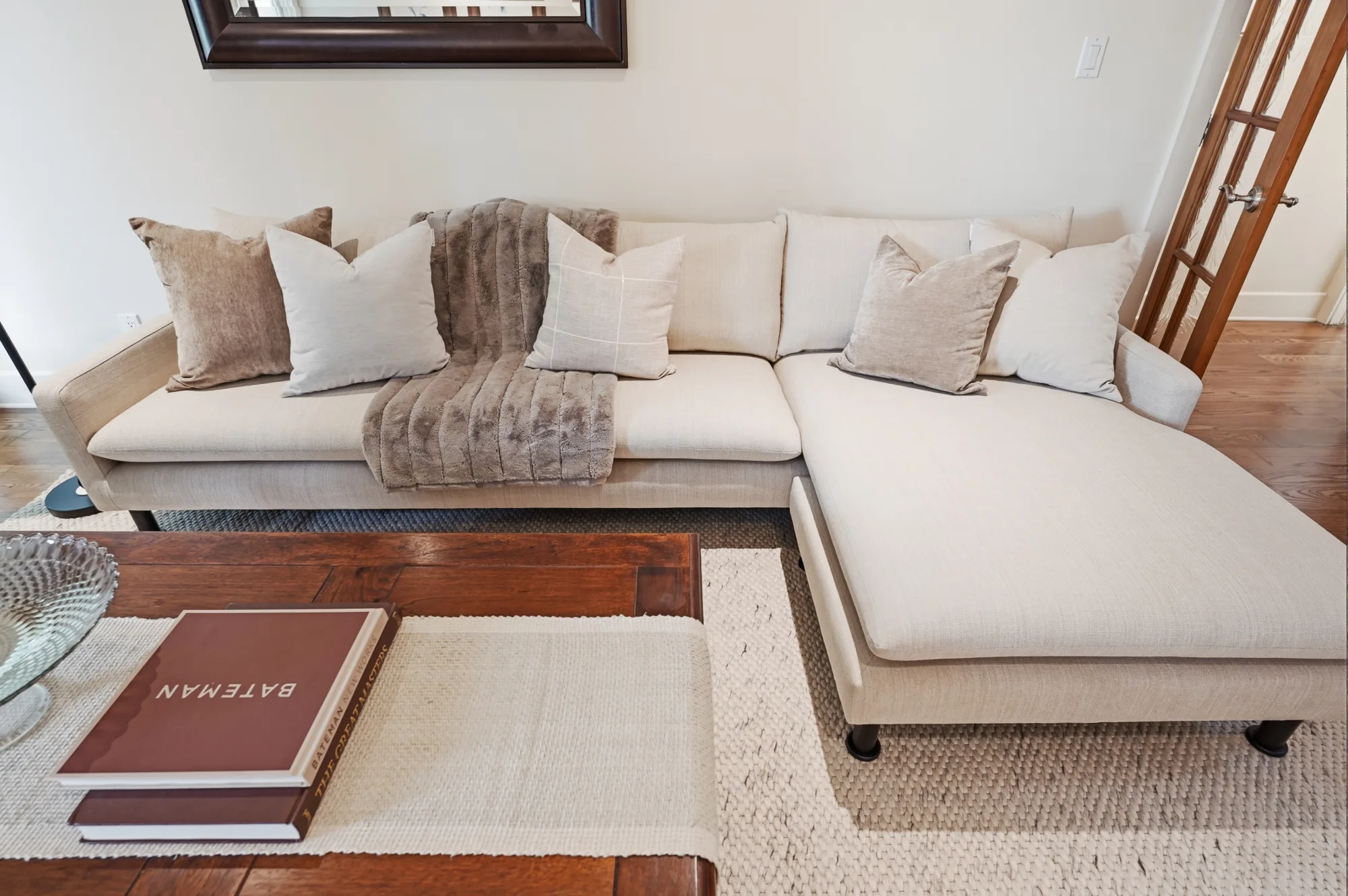
How to create a thoughtful colour palette that feels balanced, personal, and beautifully considered.
Colour has an extraordinary ability to influence how we experience a room. It can bring warmth, encourage calm, introduce energy or create a sense of welcome. But when choosing furniture and furnishings, where should we begin?
We believe the most beautiful spaces begin with an understanding of what already exists.
Start with the Architectural Shell
Before selecting a sofa, an accent chair or a beautiful new rug, take a moment to consider the architectural shell of your home.
Look at your flooring, cabinetry, countertops, millwork and wall finishes. Which elements are permanent? Which are likely to remain for years? And which could be changed with relative ease?
Begin by identifying the dominant tones. Are they light, medium or dark? Do they lean toward black, grey, brown, beige, cream or white?
These existing elements provide a natural foundation for your furniture selections. Rather than competing with them, look for opportunities to create harmony, contrast and visual interest.
If you love colour, this doesn't mean your architectural shell must be entirely neutral. A richly coloured kitchen island, dramatic wall finish or beautifully upholstered statement piece can become the focal point around which the rest of the room unfolds.
The key is to consider your largest and most permanent elements first.
Consider How You Want to Feel
Once you've established your foundation, think beyond the appearance of a room.
How do you want to feel when you enter?
Colour has a remarkable influence on mood and energy. Some shades invite us to slow down, while others encourage conversation, creativity and connection.
In bedrooms, we are naturally drawn to soft blues, gentle greens and muted, nature-inspired tones. These colours create a sense of tranquillity, making the bedroom a welcome retreat at the end of the day.
Living rooms, however, offer an opportunity to be more expressive.
Allow Your Living Spaces to Evolve
Our living rooms are often where hospitality, conversation and everyday life come together.
We love the idea of establishing a beautiful foundation through thoughtfully selected furniture, then allowing smaller furnishings to evolve with the seasons.
A richly textured cushion in autumn, a beautiful throw in winter, fresh botanical greens in spring or lighter linens in summer can transform the feeling of a room without requiring an entirely new palette.
Consider introducing seasonal colour through cushions, artwork, decorative objects and textiles.
These smaller changes keep a space feeling fresh while allowing your larger furniture investments to remain timeless.
In the Kitchen, Beauty Meets Performance
Kitchens require a slightly different approach.
Here, practicality matters just as much as appearance.
Consider the existing cabinetry, countertops, hardware and lighting. These fixed elements can help guide the colours and materials you introduce through counter stools, upholstered seating and runner rugs.
Performance fabrics, durable finishes and easy-care materials are especially valuable in spaces that experience daily activity.
A counter stool can introduce warmth through wood, sophistication through a deeper finish or softness through upholstery. Even a runner at the kitchen sink can provide an unexpected opportunity to introduce pattern and colour.
The goal is to complement the kitchen's architecture while creating a space that feels comfortable, welcoming and ready for everyday living.
Finding Your Balance
A beautifully considered colour palette doesn't require every element to match.
It requires a sense of balance.
Allow your architectural shell to establish the foundation. Let your larger furnishings create continuity, and use smaller pieces to introduce personality, texture and seasonal interest.
Think about the relationship between light and dark, warm and cool, quiet and expressive.
Most importantly, remember that colour is personal. The shades that make you feel at home are just as important as the principles that bring a room together.
Begin with what is fixed. Build with what you love. Leave room for your home to evolve.
Thoughtfully curated. Beautifully considered.